A Fabric That Breaths, Ages, and Belongs Everywhere
Cotton isn’t new. It’s not a trend or a designer discovery. It’s nature’s oldest answer to comfort — a fabric that breathes when you can’t and moves when you don’t notice.
But when cotton meets cinema, something else happens. It stops being just material; it becomes memory.
That’s what you see in The Strangers Chapter 2, when Matus Lajcak’s Scarecrow Jacket quietly dominates the screen. It’s cotton in its most cinematic form — rugged, restless, and timelessly alive.
The Problem with Seasonal Fashion
Fast fashion trained us to rotate our closets — winter coats, summer shirts, spring denim, autumn confusion.
Yet cotton doesn’t play by that rule. It adapts. It behaves differently under sunlight, moonlight, or rain.
When the air turns warm, it cools your body.
When the cold sneaks in, its tight weave keeps you covered.
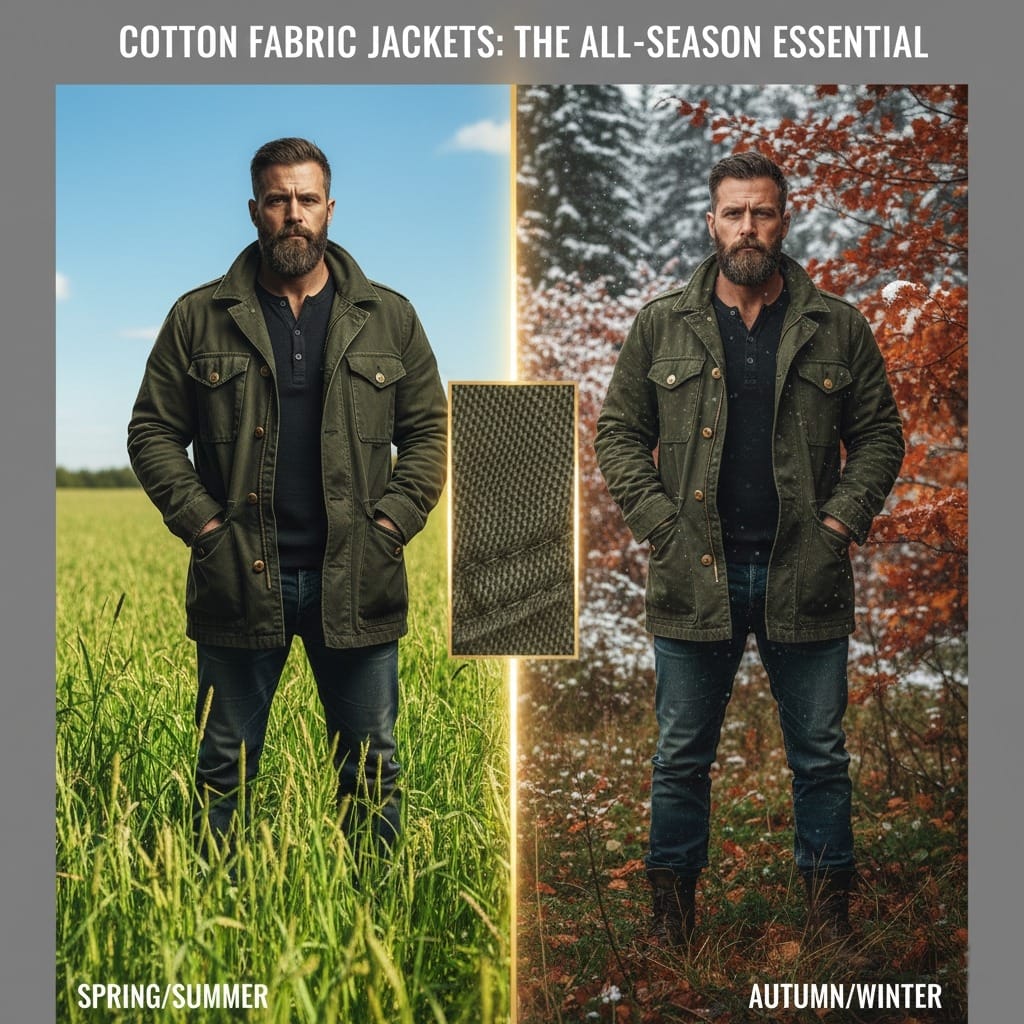
That duality is why jackets like Matus Lajcak’s green cotton piece work all year round — they don’t belong to one season, they belong to you.
The Science of Balance
Cotton fibers hold microscopic air pockets that let heat move naturally through them.
Unlike polyester or nylon, which trap sweat and suffocate your skin, cotton learns your rhythm.
It absorbs moisture, releases it slowly, and maintains a neutral temperature zone around your body.
This makes the Matus Lajcak Scarecrow Jacket not just film-accurate but functionally smart. Whether you’re walking under July heat or sitting in November drizzle, it adjusts before you even realize it.
Why Actors Prefer Cotton On Set
Film sets are chaotic — long takes, harsh lights, unpredictable weather. Actors crave balance. That’s why costumers lean toward cotton.
It allows the skin to breathe while keeping posture sharp.
When Matus Lajcak wore his cotton jacket, it wasn’t just an aesthetic decision — it was survival design.
The viscose lining helped maintain warmth during night shoots, while the cotton exterior kept movements flexible.
That’s the unseen reason movie costumes often become off-screen bestsellers: they’re made for endurance, not exhibition.
The Hidden Strength of Simplicity
Cotton jackets carry quiet confidence.
They’re not built to flash logos or metallic shine.
They tell stories through wrinkles, stitches, and the way the fabric molds to your body over time.
The Matus Lajcak jacket doesn’t age — it evolves. Each wear adds a subtle tone, a memory of touch, of sunlight, of skin.
That’s why people who own real cotton pieces often refuse to replace them; they feel personal, like something alive.
A Color That Works Like Emotion
The shade of green used in Lajcak’s jacket isn’t military or fashion-green — it’s “lived-in green.”
It matches with black, fades into brown, and complements khaki or denim without effort.
That adaptability makes it wearable from spring mornings to winter evenings.
No matter the season, it holds that cinematic aura — a presence that feels familiar yet slightly mysterious.
It’s the same balance of warmth and cool that cotton naturally carries.
Pairing Cotton with Lifestyle
Cotton jackets are not just outerwear; they’re extensions of movement.
Wear it over a white tee in summer — you get a clean urban minimalism.
Pair it with a sweater in December — you get instant rugged charm.
Take it on a road trip — it resists dust, sun, and fatigue better than most synthetics.
There’s a reason explorers, filmmakers, and wanderers trust cotton — it adapts without argument.
Fashion That Doesn’t Expire
Trends have short lives. But cotton outlives them all.
From 1950s workwear to 2020s film fashion, it’s always there — silently dominating, never outdated.
That’s why when you see the Matus Lajcak jacket, you don’t see “last year’s look.” You see timelessness stitched in green.
It doesn’t chase attention; it earns it through relevance and realism.
How to Style Cotton Jackets Like a Cinematic Character
- Keep contrast minimal. Let texture do the talking.
- Mix eras. Pair your jacket with vintage boots or a new-age tee — cotton blends with both.
- Let it wrinkle. Perfection kills realism. Cotton’s creases are its character lines.
- Layer smartly. In cold weather, add wool inside; in heat, go bare-armed underneath.
The trick isn’t to style it like Matus Lajcak — it’s to wear it like you’ve lived a few stories of your own.
Why Cotton Wins Over Synthetic Fabrics
| Feature | Cotton | Synthetic |
|---|---|---|
| Breathability | Natural airflow | Often traps heat |
| Aging | Looks better with wear | Looks old with wear |
| Comfort | Soft, skin-friendly | Plastic texture |
| Sustainability | Biodegradable | Polluting microfibers |
That’s why the film’s costume department avoided fake materials — they don’t photograph real. Cotton absorbs light differently; it feels believable. And in fashion, believability is everything.
From Movie Moment to Modern Closet
Movie-inspired jackets often fail when they stay theatrical.
But the Matus Lajcak Scarecrow Jacket breaks that curse. It bridges the cinematic and the everyday.
Wear it to work, travel, or a casual night out — it carries just enough shadow to keep people guessing.
And that’s the beauty of cotton — it never forces you into character; it lets you reveal your own.
Conclusion: One Fabric, Infinite Seasons
A jacket should not expire with weather; it should evolve with you.
Cotton understands that rhythm — of warmth, wind, sweat, and stillness.
The same reason it worked for a horror thriller on screen is why it works for life off-screen: authenticity.
In a world of synthetic speed, cotton stands like a pause button — natural, breathable, eternal.
So when you see someone wearing a green cotton jacket that feels alive, remember: some fabrics aren’t stitched, they’re born.
And if you want to own one that already carries a story, the Matus Lajcak Scarecrow Jacket might be your beginning.